




PPF for Indian Roads: Sun, Monsoon, Pollution and Stone Chips
By Carsbuddy ·
Paint protection film (PPF) was developed abroad, but the case for it is strong in India. Cars here deal with a wide mix of wear: strong sun, heavy rain, dust and pollution, uneven roads and crowded parking.
What Wears on Paint Here
- Sun. Long hours in strong sunlight are hard on any exposed surface.
- Monsoon. Rain brings dirty water, and spots left to dry can mark paint.
- Pollution and dust. Fine grit and grime sit on the car and get dragged across the paint every time it is wiped.
- Road debris. Flying stones and gravel cause the chips people notice first, especially on the bonnet, bumper and mirrors.
- City parking. Gate scratches, door edges and scuffs in tight spaces.
What PPF Does About It
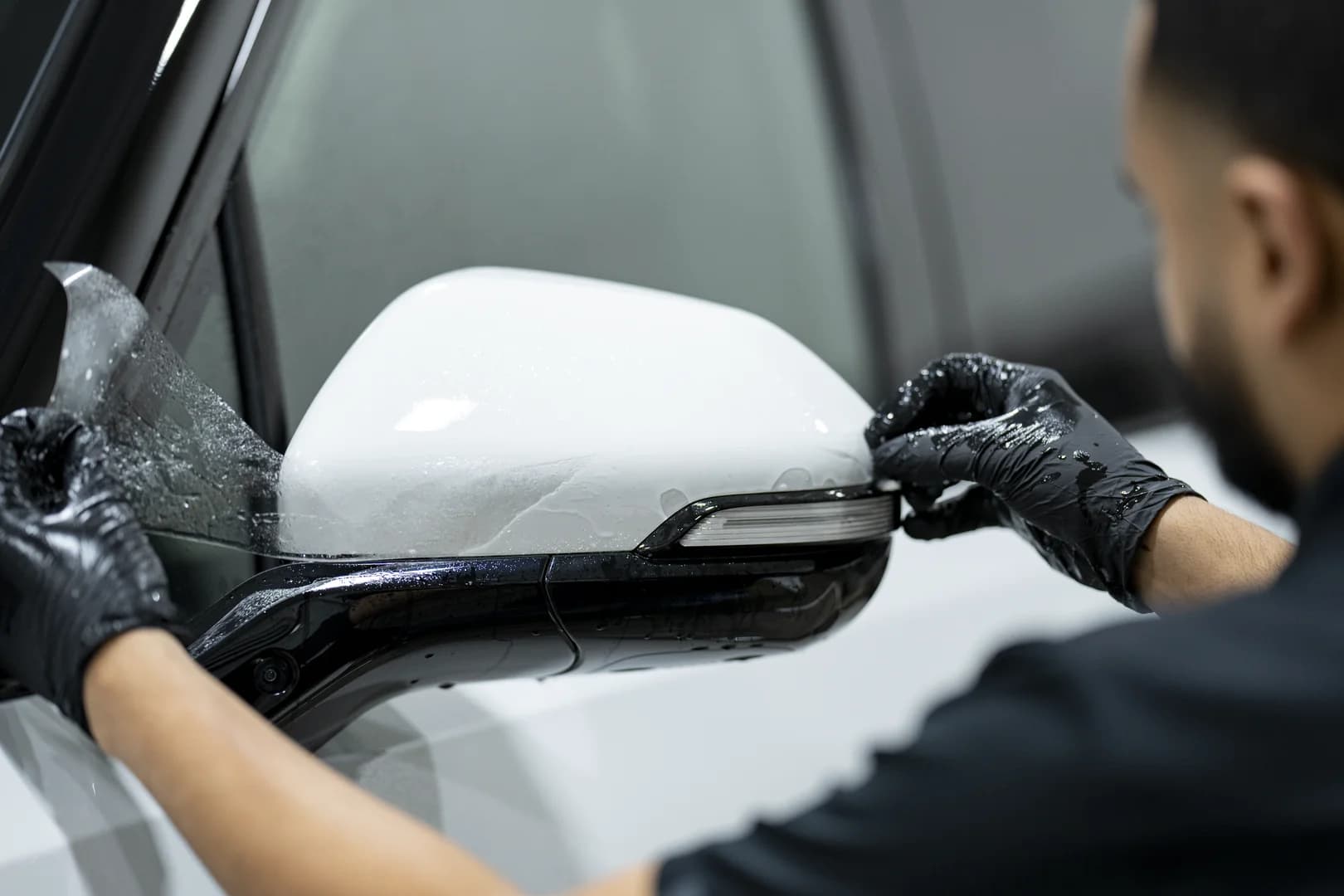
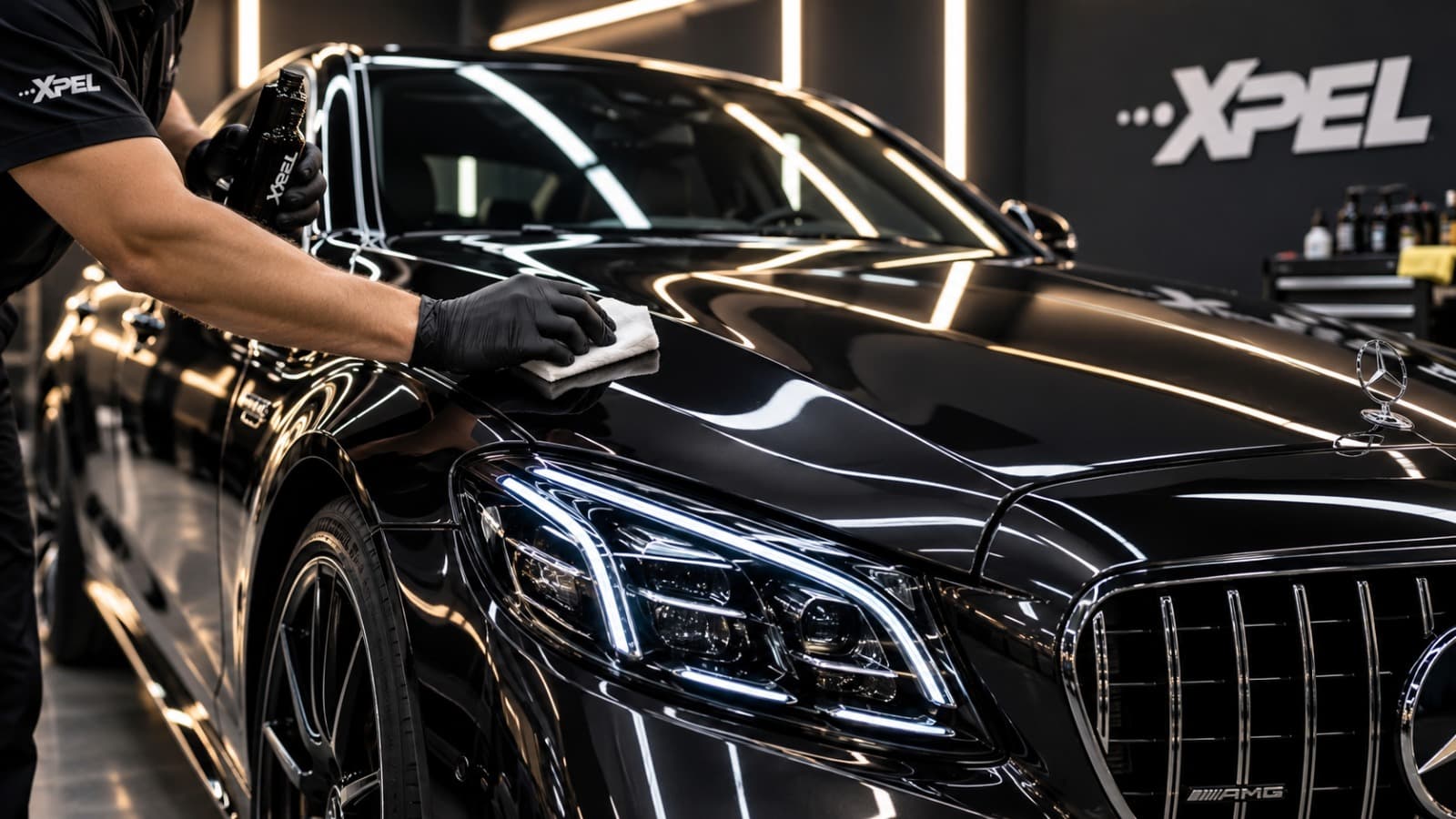
A clear, self-healing film sits over the paint and takes the wear instead. Our XPEL films protect against flying stones, parking scuffs and everyday scratches, and the hydrophobic Ultimate Fusion film helps water run off, which reduces water spots and makes washing easier after dusty roads and heavy monsoons.
Where to Put It
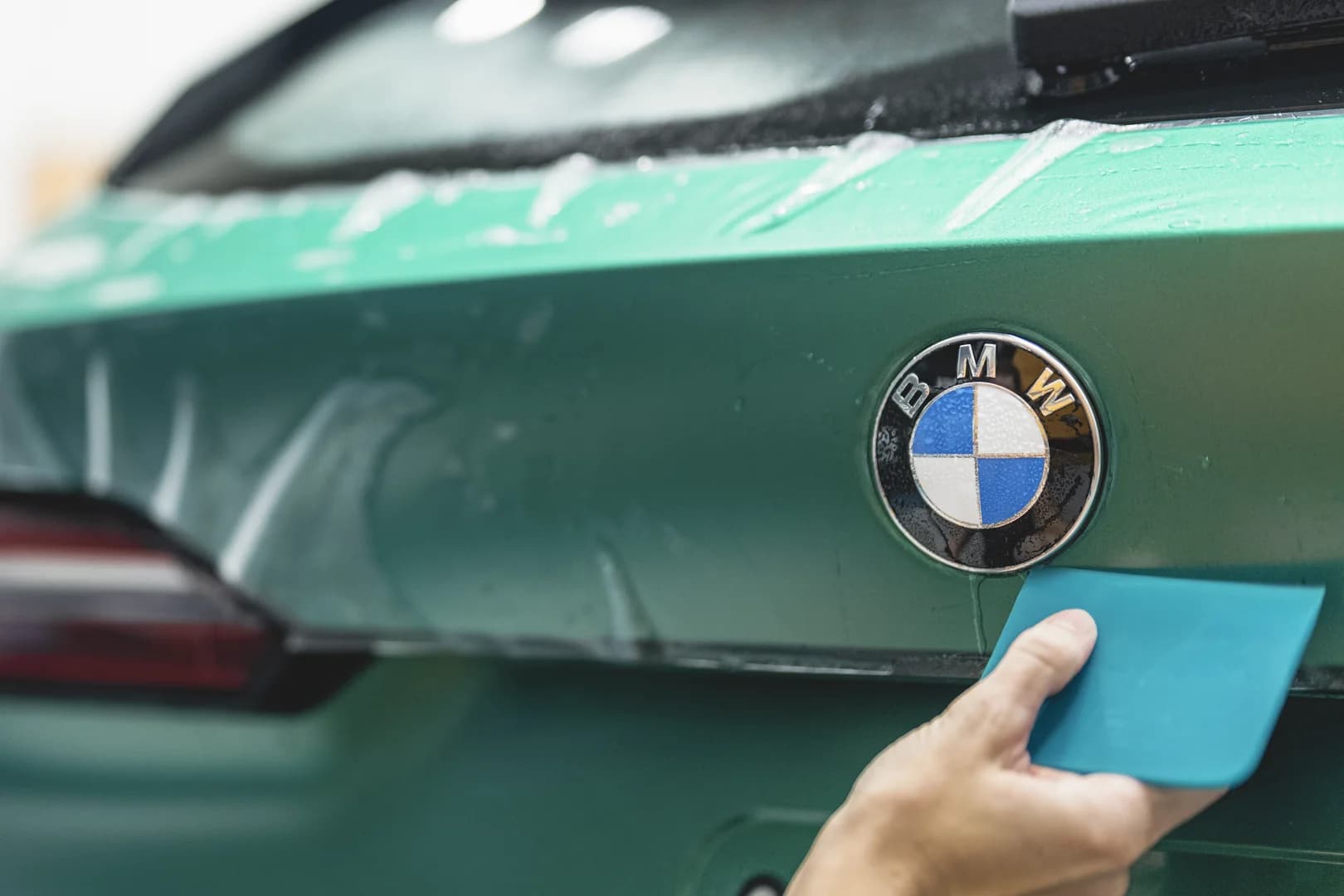
Full coverage gives the most complete protection. If you want to start smaller, the front end (bonnet, bumper, mirrors) is where stone damage lands first. The right choice depends on the car and how it is used; see how PPF works.
PPF and Ceramic Coating Together
They protect against different things. Film handles impact and scratches, while a ceramic coating makes the surface slick and easier to clean. Many owners use both, and we explain the split in PPF vs ceramic coating.
Next Step
Tell us how and where you drive and we will suggest a film. Visit our studios in Bangalore or Kochi, or request a quote.
Keep reading
Carsbuddy Studios Across South India: Bangalore, Kochi and Coimbatore, One XPEL Standard
Carsbuddy runs XPEL PPF and ceramic coating studios in Koramangala and North Bangalore, Kochi and Coimbatore. Addresses, what each studio offers and how warranty support carries between them.
PPF Care in South India: Monsoon, Coastal Air, Hard Water and Heat
How to look after PPF in Bangalore, Kerala and Tamil Nadu: monsoon rain, humid coastal air near Kochi, hard-water spots, dust and strong sun, with practical care tips from Carsbuddy's studios.